Over 750 EVs Stranded in Upper Mustang as Road Damage Delays Deliveries





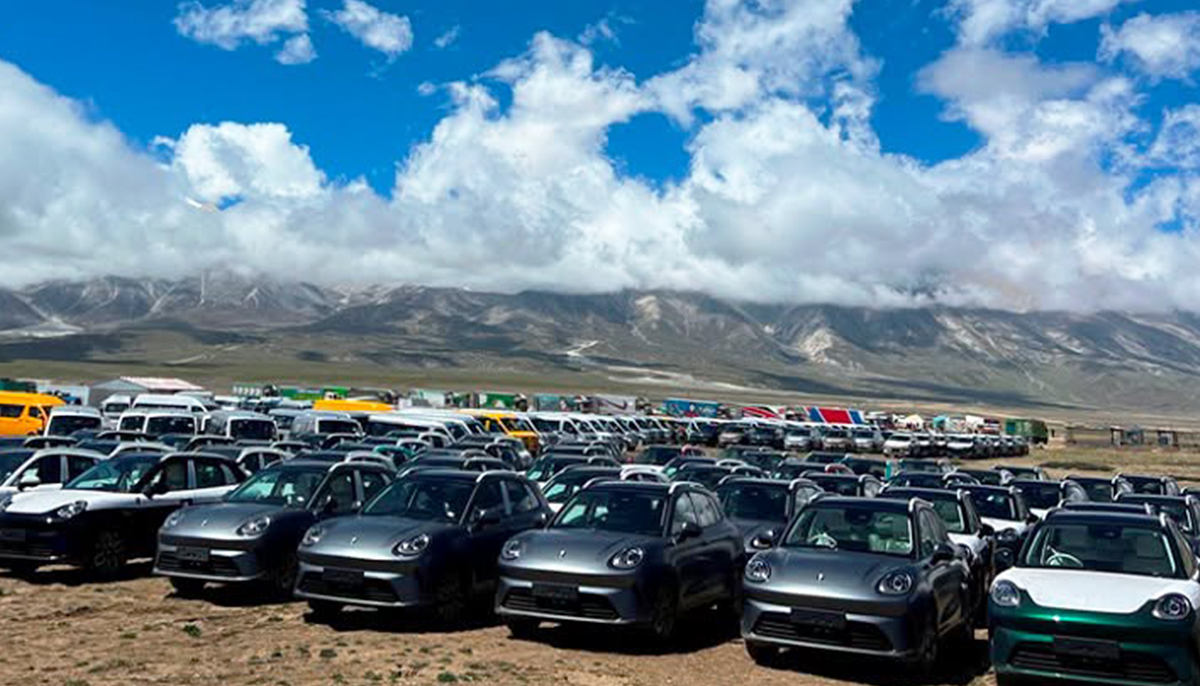
More than 750 electric vehicles (EVs) imported from China through the Korala border crossing have been stranded in Upper Mustang after floods, landslides, and river erosion damaged sections of the Beni–Jomsom–Korala road.
The vehicles were brought into Nepal through Tibet ahead of the Dashain festival to meet market demand. However, muddy and hazardous road conditions have disrupted transportation, forcing dealers to keep the newly imported EVs at customs premises and other locations across Mustang.
The vehicles are stranded at multiple locations, including the Mustang Customs Office in Nechung, Lomanthang Rural Municipality-4. According to the report published by Gorkhapatra Online, additional EVs are parked in Charang, Jomsom, and Ghasa.

The reported locations include 40 EVs in Charang, 35 at the Traffic Police Office in Jomsom, 125 at the Jomsom bus park, and 25 in Ghasa. More vehicles remain held up around the Korala border and customs area.
Mustang Customs Office Chief Bidur Chudal said that some vehicles have already completed customs clearance but cannot be transported because of the poor road conditions.
Although much of the road connecting Jomsom to the Korala border remains relatively accessible, several sections of the Jomsom–Beni route continue to pose significant challenges.
Around 22 kilometres of the 79-kilometre Jomsom–Beni section remain particularly difficult to navigate. Muddy stretches have increased the risk of smaller vehicles getting stuck, making it unsafe to transport newly imported EVs.
Ghar Chhung Gurung, vice-chairperson of the Korala Border Container Management Committee, said dealers have been reluctant to move the vehicles through the affected sections due to the possibility of damage.
The Beni–Jomsom–Korala road links Parbat and Myagdi districts with the Chinese border at Korala, covering approximately 202 kilometres. The route serves as a key transportation corridor for vehicles and other goods entering Nepal from China.
The Mustang Customs Office is located around 14 kilometres below the Korala border, which sits at an elevation of approximately 4,650 metres above sea level. After customs clearance, vehicles are typically transported towards Pokhara through the Beni–Jomsom–Korala road, part of the Kaligandaki Corridor.
While authorities have kept parts of the damaged road open for one-way traffic, muddy surfaces and unstable sections continue to hinder the movement of smaller vehicles.
The EVs imported for the festive season have reportedly remained stranded for around two weeks. With transportation still difficult, customs representatives working for EV dealers in Nepal have indicated that the vehicles may be moved towards their destinations only after Dashain.
The delay could affect the timely delivery of vehicles imported specifically to meet increased demand during the festive period.
Tejaswi Sharma, chief of the Kaligandaki Road Project, said repair work is underway to maintain one-way traffic along the damaged sections. However, smaller vehicles continue to face difficulties using the route.
Sharma explained that new tracks have been opened in areas affected by floods, landslides, and river erosion, but restoring normal traffic conditions will take additional time.
He also said that containers carrying festival supplies, along with apples and other goods, have already been transported. Large containers that completed customs clearance have also returned, allowing authorities to focus more on road repairs.
The road project is considering publishing a repair schedule that may involve temporarily closing sections of the road to facilitate maintenance work.
Until the damaged sections become safer for transportation, the stranded EVs are likely to remain in Mustang, delaying their arrival at dealerships and customers across Nepal.







Same Same, But Different: MG and Wuling's EV Battle
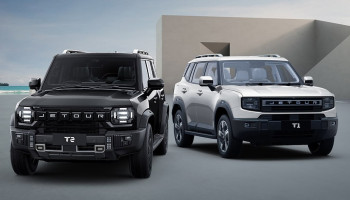
Jetour Opens Pre-Bookings in Nepal; T1, T2 Prices Announced